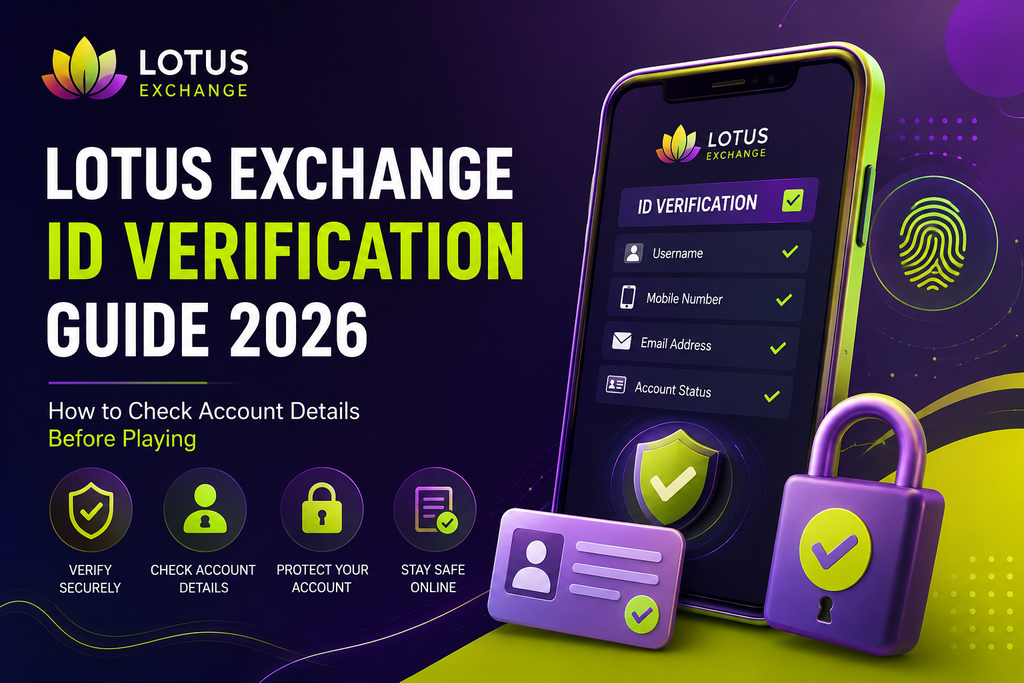
What Is Lotus Exchange ID Verification?
Lotus Exchange ID verification refers to the process of checking the account information connected to an exchange profile. The platform may ask users to confirm certain details during registration or account management.
Verification helps users review their profile information and identify possible errors. Requirements can vary depending on the platform, account type, location, and current policies.
Always follow the latest instructions shown on the official platform. Avoid using unofficial websites or individuals who claim they can complete verification on your behalf.
Why Is Account Verification Important?
Checking your account details can make account management easier and safer.
1. Confirm Your Account Details
Review your username, email address, mobile number, and other profile information. Correct details can make future account recovery and support requests easier.
2. Reduce Login Confusion
Many users manage several online accounts. Checking your account ID and registered contact details helps you identify the correct profile before signing in.
3. Improve Account Awareness
Regularly reviewing your profile helps you notice unexpected changes. You can then investigate anything that looks unfamiliar.
4. Support Better Security
Verification works alongside other security measures. A strong password, secure device, and private authentication code can provide additional protection.
What Should You Check During Lotus Exchange ID Verification?
Before continuing with your account, review each important detail carefully.
Username or Account ID
Check that the username or account ID matches the profile you intended to access. Never publish your account credentials or share them with unknown individuals.
Registered Mobile Number
Review the mobile number connected to your account. Make sure you can access that number if the platform uses it for account-related communication.
Email Address
Confirm that the registered email belongs to you and remains accessible. Check the address carefully for spelling errors.
Profile Information
Review the information displayed in your account profile. If you find an error, use the platform’s official account settings or support channel to request assistance.
Account Status
Check whether your account shows an active, pending, restricted, or other status. Follow the instructions provided by the platform if it asks you to complete an additional step.
How to Approach Lotus Exchange ID Verification Safely
Take your time when checking an account. Rushing through verification can lead to mistakes or unnecessary security risks.
Start by opening the official website or application yourself. Check the domain before entering your login information.
Next, review the account details displayed after you sign in. Follow only the verification instructions provided through trusted platform channels.
Keep your password and one-time authentication codes private. Never send these details to someone who contacts you through an unknown social media account, messaging service, or email.
If something looks unusual, stop the process and contact official support.
Common Lotus Exchange ID Verification Problems
Users can experience several issues while checking or confirming account information.
Incorrect Account Information
An outdated mobile number, incorrect email address, or spelling mistake can create account-management problems. Review your profile and use the platform’s approved correction process when available.
Verification Not Completed
The platform may request additional information before completing verification. Read the instructions carefully and provide only the information the platform legitimately requests.
OTP or Code Problems
Sometimes a verification code takes longer to arrive. Check your registered contact details and look in your spam or filtered messages when appropriate.
Never share an OTP with another person. Legitimate support representatives should not need your private authentication code.
Account Access Problems
If you cannot access your account, use the official recovery process. Avoid entering random passwords repeatedly because repeated failed attempts can create additional access problems.
Verification vs. Account Security
Verification and account security have different purposes.
Verification focuses on confirming account information or meeting a platform’s requirements. Security involves protecting passwords, authentication codes, devices, recovery information, and login sessions.
Completing verification does not automatically protect an account from phishing or unauthorized access. Users should continue following basic security practices after completing the verification process.
How to Recognize a Suspicious Verification Request
Be careful when someone unexpectedly asks for account information.
Watch for these warning signs:
- A request for your password
- A request for an OTP or authentication code
- Pressure to verify immediately
- An unfamiliar verification link
- A request to install unknown software
- Promises of guaranteed account approval
- Requests for payment to unlock an account
- Messages from unverified support accounts
If you receive a suspicious message, do not provide sensitive information. Instead, open the official website yourself and use its trusted support options.
What to Do If Your Verification Details Are Incorrect
First, review your account settings and the platform’s official help information. You may find an option to update basic details directly.
If you cannot make the required change, contact official customer support. Explain the problem clearly and follow the instructions they provide.
Only submit information that the platform legitimately requests. Never provide your password or authentication code during a support conversation.
Security Checklist Before Using an Online Exchange
Use this checklist when reviewing your account:
- Confirm the website address.
- Check your username or account ID.
- Review your registered email.
- Confirm your mobile number.
- Check the account status.
- Create a strong and unique password.
- Enable available security features.
- Keep authentication codes private.
- Avoid unfamiliar links.
- Update your browser or application.
- Log out from shared devices.
- Contact official support when you need help.
These simple habits can improve account management and help users avoid common security mistakes.
Frequently Asked Questions
What is Lotus Exchange ID verification?
Lotus Exchange ID verification refers to checking or confirming information connected to an account. Requirements can vary, so users should follow the platform’s latest official instructions.
What information should I check during verification?
Review your account ID, registered email address, mobile number, profile information, and account status. Provide additional information only when the platform legitimately requests it.
Can I share my verification OTP with support?
No. Keep authentication codes private. If someone asks for an OTP, verify the request through an official support channel before taking any action.
What should I do if my account information is wrong?
Check your account settings first. If you cannot correct the information yourself, contact official support and follow its instructions.
Is verification the same as account security?
No. Verification confirms account information or requirements, while security focuses on protecting your credentials, devices, authentication codes, and account access.
Final Thoughts
Lotus Exchange ID verification gives users an opportunity to review their account information before continuing. Check your account ID, contact details, profile information, and account status carefully.
Good security habits also matter. Protect your password, keep authentication codes private, avoid suspicious links, and use official support channels when you need assistance.
A few minutes of careful account checking can help prevent avoidable mistakes and make the overall account-management process easier.